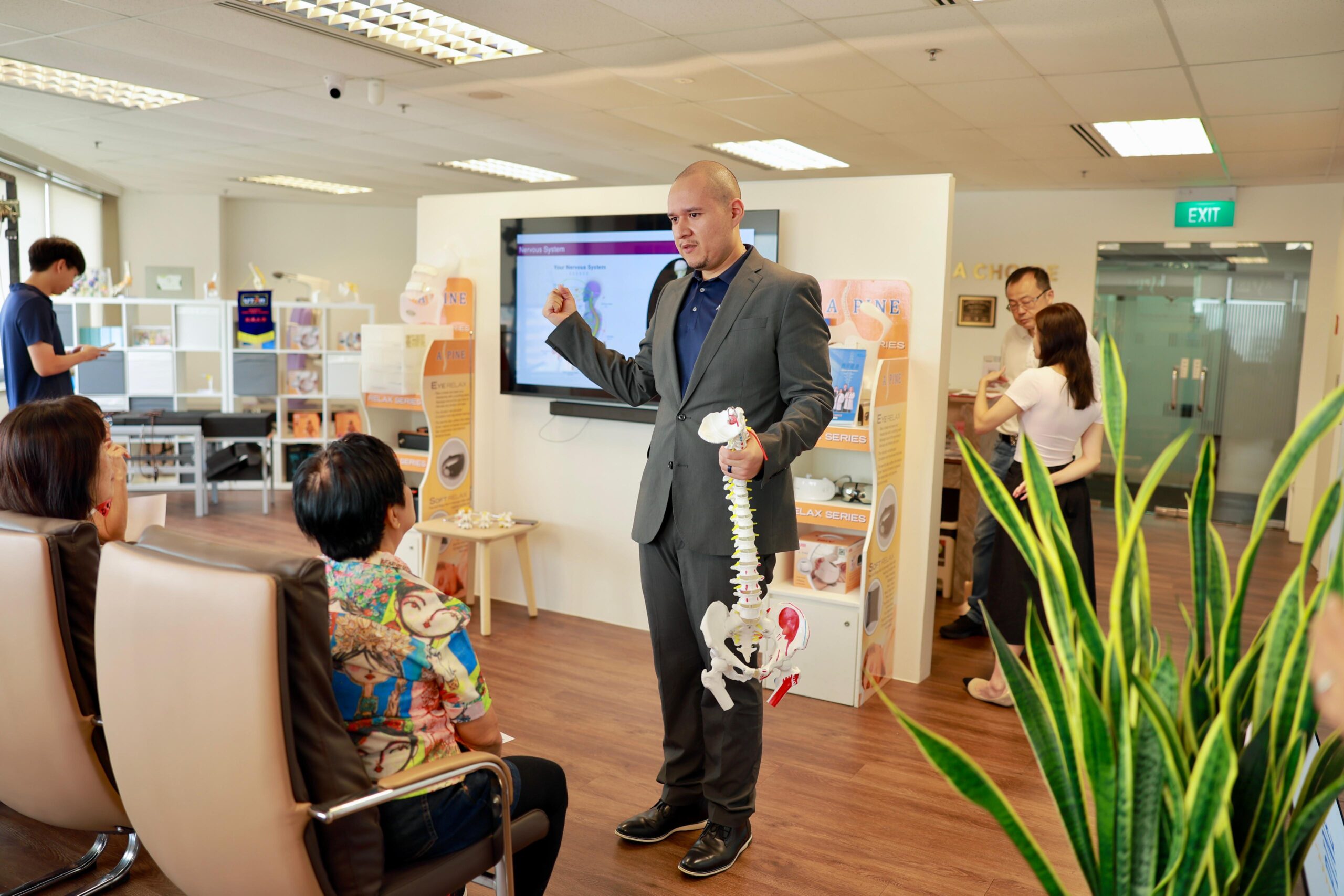
Why Posture Matters More Than You Think
Most people think posture is only about looking confident. In reality, the way you sit, stand, and move affects comfort, energy, and how well you work through the day. Poor posture can build small stresses that show up as neck pain, tight shoulders, headaches, reduced focus, and more frequent breaks. The good news is that posture is usually manageable with better habits, a smarter workspace, and the right support when problems persist.
What posture really does
Posture is how your body holds itself against gravity. When alignment is balanced, muscles work efficiently and joints move with less strain. When alignment drifts forward or collapses, the body compensates. That compensation may not hurt immediately, but over time it can overload the neck, upper back, lower back, and hips.
For business owners and practitioners, this matters because posture influences how long people can stay productive without discomfort. A staff member who constantly adjusts in their chair, rubs their neck, or loses concentration may be dealing with a physical setup problem, a movement problem, or both.
Common causes of poor posture
Several routine factors contribute to posture issues:
- Desk work: Long hours at a laptop encourage rounded shoulders and forward head position.
- Phone use: Looking down for repeated periods increases strain on the neck.
- Weak or tired support muscles: Core and upper-back muscles may stop holding alignment well.
- Repeated one-sided tasks: Carrying, driving, or leaning in the same direction can create imbalance.
- Pain avoidance: People often shift into a posture that feels easier short term but creates more stress later.
These are not always signs of a serious problem, but they are signals that the body is adapting to its environment.
Why the effects show up beyond the back
Posture is often linked to pain, but the impact can be broader. Slouched sitting can reduce breathing depth, which may make people feel less alert. Tension in the neck and jaw may increase discomfort during focused work. Over time, people may also move less because certain positions feel tiring. That reduced movement can make stiffness worse.
In practice, posture becomes a business issue when it affects concentration, attendance, or the quality of daily work. A small ache can lead to repeated interruptions, slower task completion, and more recovery time after the workday.
Practical steps to improve posture
Start with the basics and make changes that are easy to keep.
- Check the screen: Keep monitors at eye level so the head does not drift forward.
- Support the feet: Both feet should rest flat on the floor or on a stable footrest.
- Relax the shoulders: Let them drop naturally instead of pulling them back forcefully.
- Move regularly: Stand, stretch, or walk briefly every 30 to 60 minutes.
- Use both sides of the body: Change carrying hands, seating positions, and work tasks when possible.
- Build strength: Focus on gentle core, glute, and upper-back exercises if they are appropriate for your situation.
If pain is already present, start with the easiest change first. Small adjustments are easier to sustain than a complete workspace overhaul.
Risks and mistakes to avoid
One common mistake is trying to “sit perfectly” all day. Rigid posture is not the goal; comfortable, varied posture is. Another mistake is treating an ergonomic chair as a complete fix. Equipment helps, but movement habits still matter. It is also a mistake to ignore recurring pain and assume it will pass on its own.
If a posture change increases pain, stop and reassess. The issue may be load, duration, or a movement pattern that needs professional review. Gradual change is safer than forcing a correction.
A simple decision framework
Ask three questions: Is discomfort happening often? Is it tied to work or daily routines? Is it affecting focus, sleep, or movement? If the answer is yes to any of these, posture deserves attention now, not later. If the issue is mild, begin with workspace adjustments and regular movement breaks. If symptoms keep returning, a clinical assessment is the better next step.
Next step
If your team, clients, or patients are dealing with posture-related discomfort, ASPINE Wellness can help you identify what is driving the problem and what to do next. For a conversation about your situation, visit ASPINE Wellness Contact.
Ready to discuss your symptoms?
Book an assessment with ASPINE Wellness to understand your concerns and explore the appropriate next steps.