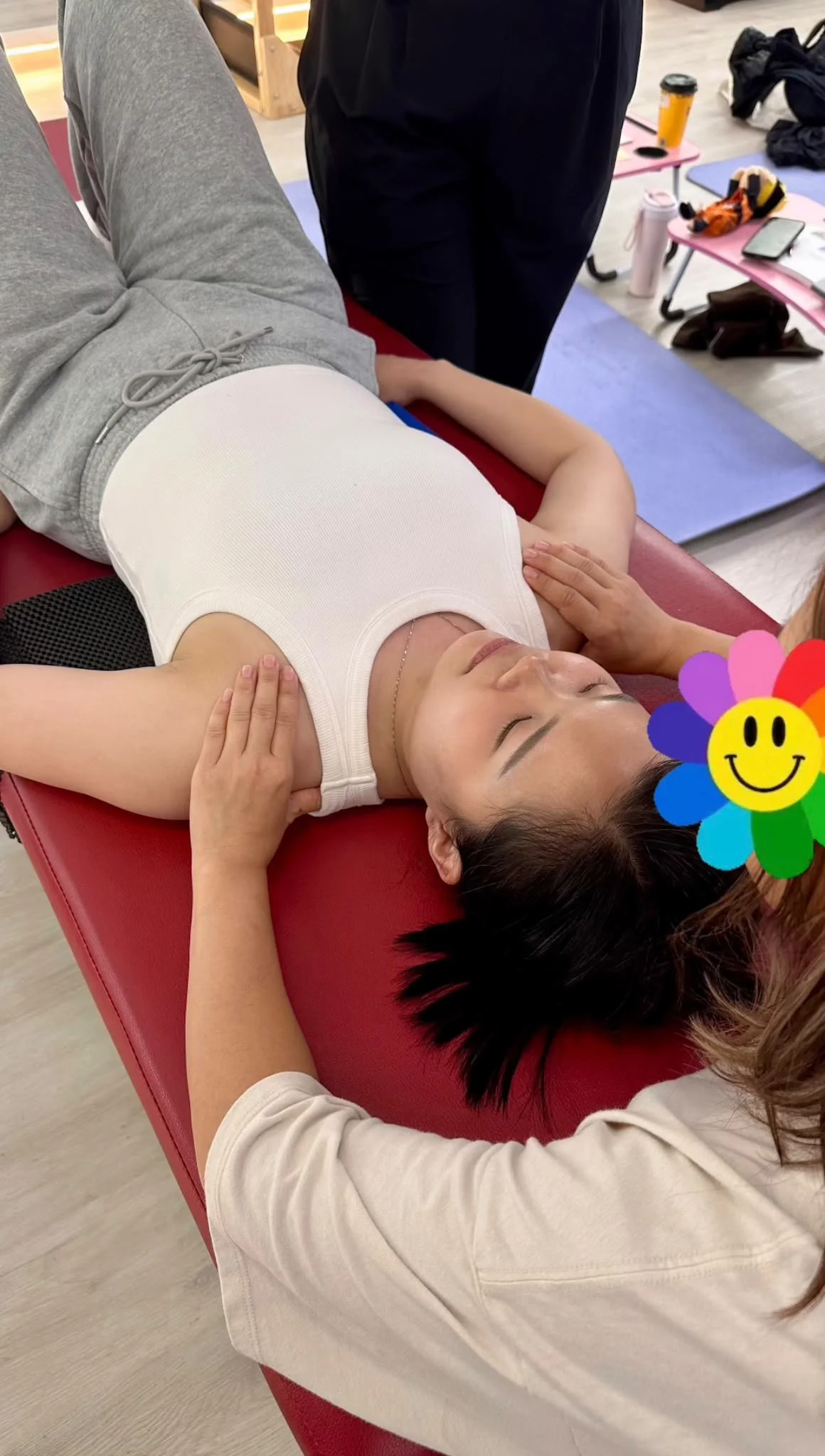
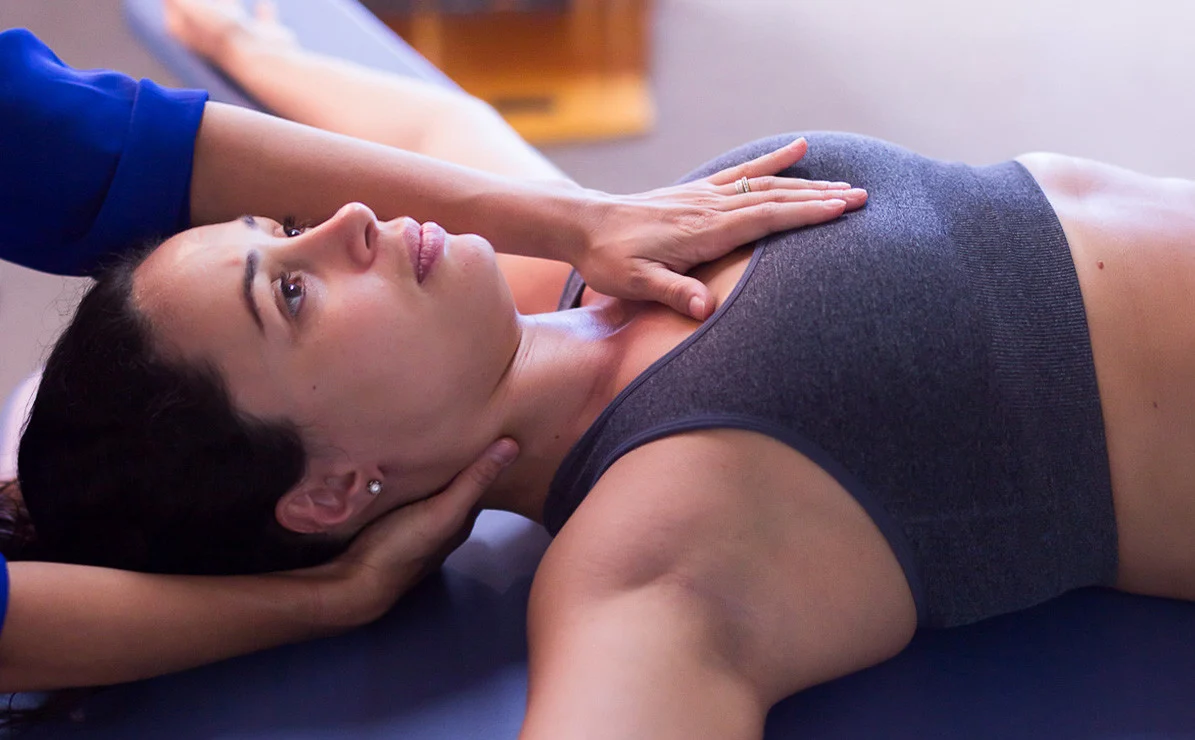
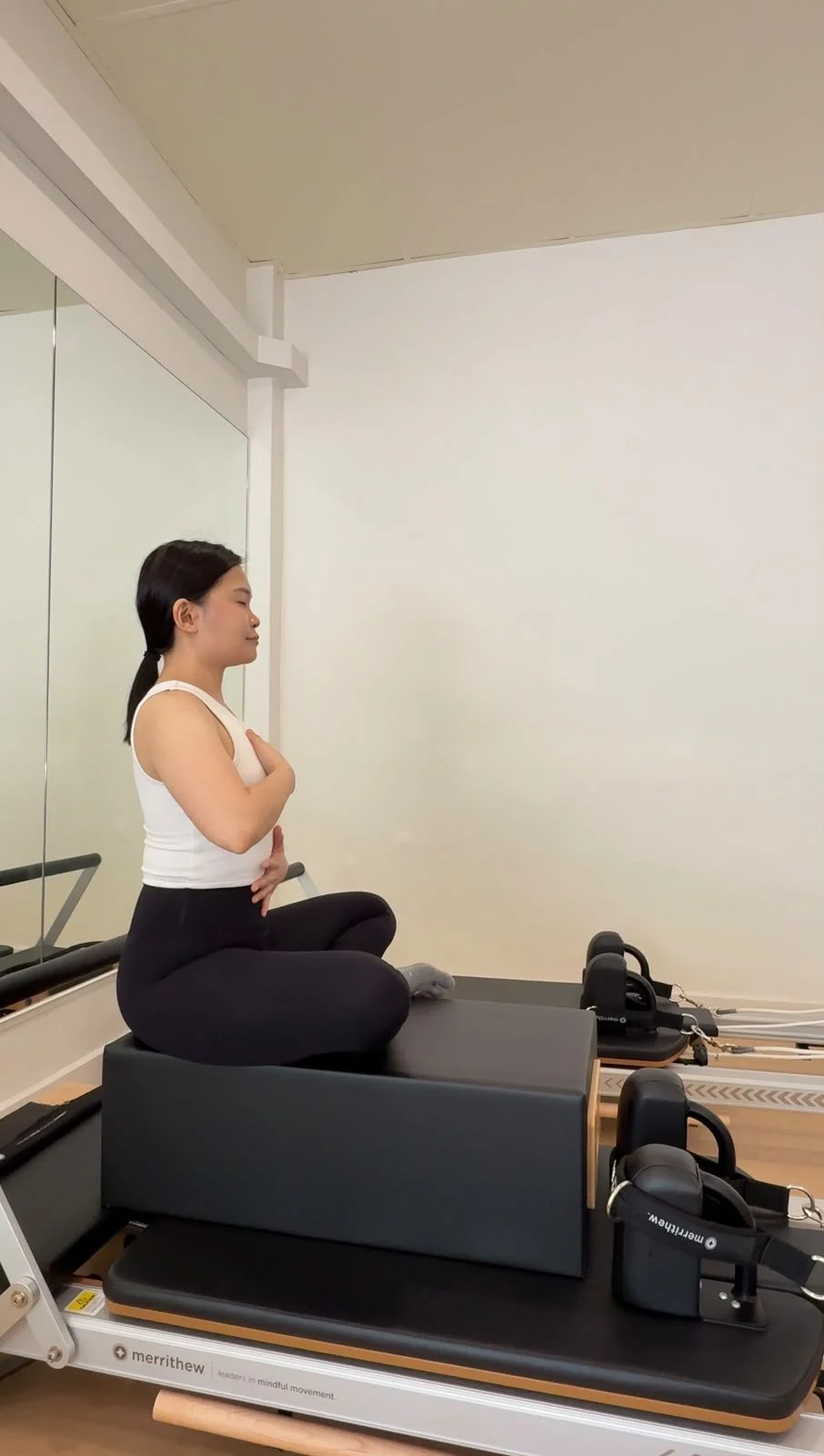
The best scoliosis exercise or treatment is one that is clinically appropriate for your curve and stage of life, supports your goals, and fits a routine you can sustain. There is no single method that suits everyone. Convenience and enjoyment matter, but they do not replace assessment, curve monitoring or bracing and specialist care when indicated.
Key takeaways
- Choose care according to curve pattern, age, remaining growth, progression, symptoms and function.
- Scolio-Pilates®, scoliosis-specific physiotherapy and general strength training have different roles and evidence.
- ASPINE’s scoliosis correction and rehabilitation approach is assessment-led, with individual goals and reassessment.
- Better comfort or posture does not necessarily mean a smaller spinal curve.
- A realistic home routine helps you carry out your plan; consistency does not guarantee curve correction.
If you have been searching for scoliosis treatments, you have probably encountered conflicting advice. Some people recommend a particular physiotherapy method, while others favour specialised exercise or strength training. The useful question is: what does your spine need, and which suitable plan can you maintain?
There is no one-size-fits-all solution
Scoliosis affects people differently. A growing teenager with a changing curve needs different decisions from an adult with a stable curve and movement-related discomfort. A routine that suits one person may be unsuitable for another.
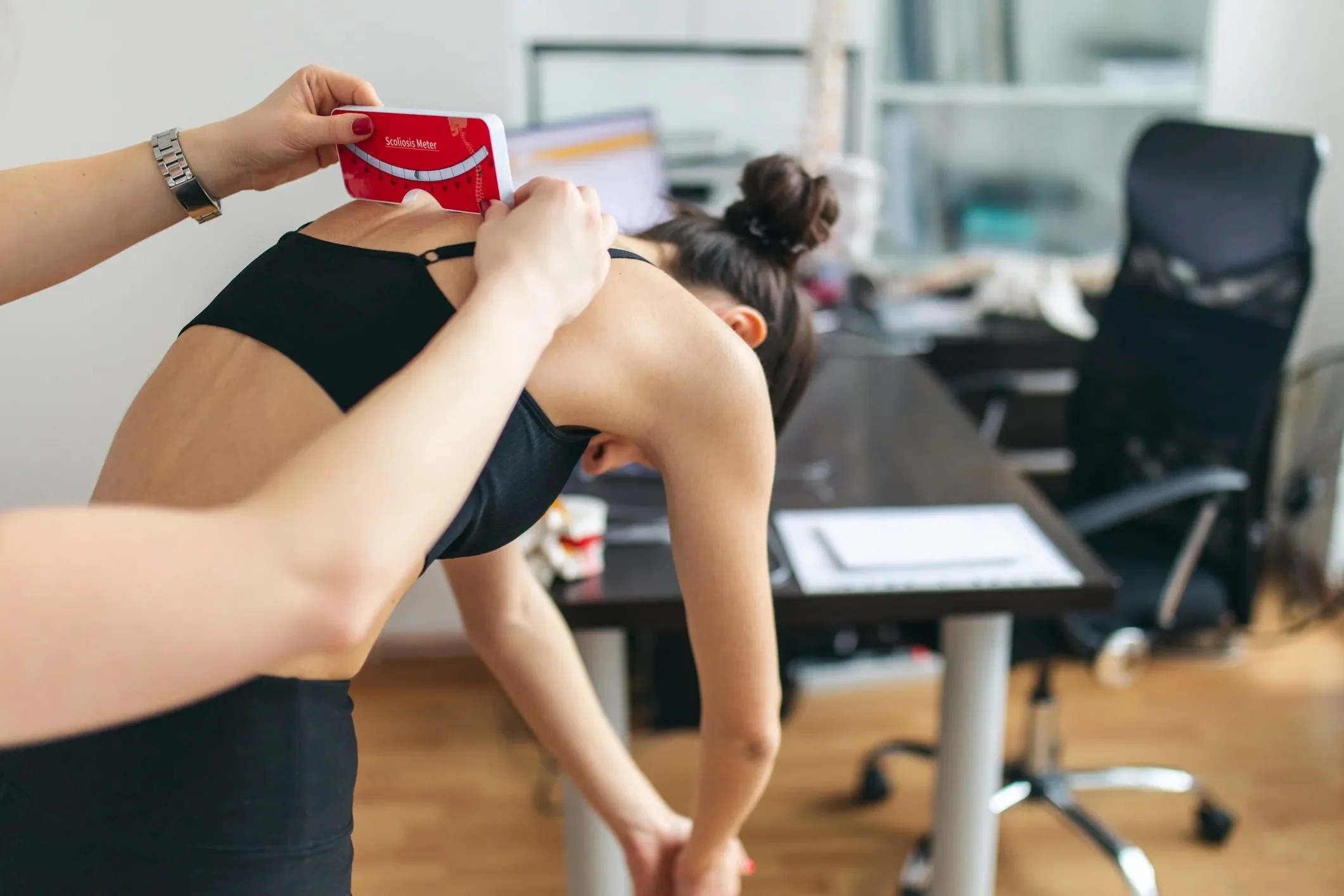
Assessment should consider curve size and pattern, growth remaining, progression, symptoms, previous treatment and personal goals. Read What Is Scoliosis? Signs, Cobb Angle & When to Get Checked for an introduction to curve assessment.
Start with clear goals
Rather than looking for a “magic bullet” programme, agree on outcomes that matter to you:
- managing pain or discomfort, when present;
- improving functional movement, strength and stamina;
- developing posture and movement awareness;
- monitoring the curve and reducing progression risk where appropriate.
Some people may show a measured curve improvement, but this is not a guaranteed result of exercise. A programme can improve function without changing the Cobb angle. Conversely, a growing child may feel well while a curve progresses, which is why symptoms alone cannot guide follow-up.
How do the main options differ?
| Approach | Potential role | Important limit |
|---|---|---|
| Scolio-Pilates® | Individualised breathing, movement awareness, supported positioning and strength work. | Suitability depends on assessment. Evidence for other scoliosis-specific methods cannot automatically be applied to Scolio-Pilates. |
| Scoliosis-specific physiotherapy, such as Schroth | Curve-specific postural training, breathing and exercises taught by an appropriately trained therapist. | Research suggests possible benefits in selected patients, but certainty varies and no method guarantees correction. |
| Tailored strength and functional exercise | General conditioning, endurance and everyday movement goals. | General fitness training is not equivalent to a curve-specific programme and is not a proven way to straighten a structural curve. |
| ASPINE scoliosis correction and rehabilitation care | Assessment, individual corrective exercise, Scolio-Pilates and selected musculoskeletal care, with reassessment and referral when appropriate. | “Correction” describes treatment goals, not a promise of permanent structural change or a substitute for indicated bracing. |
| Observation, bracing or specialist treatment | Monitoring and management of progression risk, especially during growth. | These decisions require clinical assessment. Enjoying an exercise programme does not remove the need for them. |
The 2024 Cochrane review found that exercise evidence in adolescent idiopathic scoliosis remains limited and uncertain across outcomes. It does not establish a single exercise method as best for everyone.
Where does ASPINE’s scoliosis correction approach fit?
At ASPINE, scoliosis correction begins with understanding the individual presentation. The team considers posture, trunk rotation, movement, symptoms, growth and available imaging before discussing a plan. Standing spinal X-rays may be reviewed or recommended when clinically appropriate to measure the Cobb angle and guide management.
As described in our scoliosis assessment and management services, a plan may include corrective exercise, Scolio-Pilates with Joanne, functional rehabilitation and selected chiropractic or manual care for associated musculoskeletal symptoms. Some people need one discipline; others may benefit from coordinated care.
Chiropractic adjustments or manual treatment should not be presented as established ways to permanently straighten a structural scoliosis curve or prevent progression. The role of any hands-on care should be explained separately from goals for curve management. The AAOS overview of nonsurgical scoliosis care discusses the different purposes and limits of exercise, bracing and alternative treatments.
Progress should be reviewed against agreed measures: everyday activities, symptoms, exercise tolerance, posture or trunk rotation, and curve measurements when repeat imaging is clinically justified. Changes in posture, photographic appearance and Cobb angle are different outcomes. Small angle differences require interpretation in light of measurement variation and comparable imaging conditions.
When growth and progression risk indicate bracing or specialist assessment, ASPINE’s exercise and rehabilitation care should support that plan. It should not delay referral. The Scoliosis Research Society’s bracing guidance explains its role in selected growing patients.
Consistency over perfection
A programme only fits your life if you can realistically carry it out. Once the clinical needs are clear, consider sustainability.
Is it convenient?
Long or stressful journeys can make attendance difficult. Ask which exercises you can practise at home, what equipment is needed and how technique will be checked.
Is it realistic?
Choose a routine that fits your actual schedule. Agree on a manageable starting point, progression and review date rather than assuming more sessions always mean better results.
Do you enjoy it?
You may be more willing to continue a practice that interests you and feels manageable. Discuss discomfort, anxiety or barriers with your practitioner so the plan can be adjusted.
Consistency helps you follow the chosen plan. It is not a test of willpower, and a curve progressing does not mean a person has failed or did not try hard enough.
Questions to ask before choosing a programme
- What are we aiming to improve, and how will we measure it?
- Does this plan address my age, growth and curve pattern?
- What evidence supports the specific treatment being recommended?
- Do I also need monitoring, bracing or a specialist opinion?
- What is the home practice, expected commitment and review point?
- What changes would lead us to modify or stop the plan?
After spinal fusion, your surgeon’s restrictions and clearance take priority. See Joanne’s Is Scolio-Pilates® Still for Me After Spinal Fusion Surgery?
Frequently asked questions
Is Scolio-Pilates better than Schroth?
There is no basis here to rank one as best for every patient. They are different approaches, and their research evidence is not interchangeable. Choose with appropriate clinical guidance and clear goals.
Can exercise replace a scoliosis brace?
Not when bracing is indicated. Exercise may be part of a broader plan, but changes to a prescribed brace should be discussed with the treating scoliosis team.
Can adults improve without straightening their curve?
Yes. Strength, activity tolerance and symptom management can be worthwhile goals even if the measured curve remains similar. The NHS adult scoliosis guidance describes treatment goals and advises checking a new exercise programme with a healthcare professional.
Does “scoliosis correction” guarantee a lower Cobb angle?
No. Goals and likely outcomes should be explained individually. Neither a programme name nor a previous patient’s result guarantees the same change for you.
Finding your fit
Whether your plan includes Scolio-Pilates, scoliosis-specific physiotherapy, tailored functional movement or ASPINE’s correction and rehabilitation care, it should match your clinical needs today and be practical to continue. Start with assessment, agree on meaningful goals and review the results.
Related reads
- If You Could Only Do One Scoliosis Exercise, Which One Should It Be?
- What Is Scoliosis? Signs, Cobb Angle & When to Get Checked
- Is Scolio-Pilates® Still for Me After Spinal Fusion Surgery?
References
- Romano M, et al. Therapeutic exercises for idiopathic scoliosis in adolescents. Cochrane Database Syst Rev. 2024;2:CD007837.
- American Academy of Orthopaedic Surgeons. Nonsurgical Treatment Options for Scoliosis.
- Scoliosis Research Society. Bracing.
- NHS. Scoliosis: Treatment in adults.
General education only. Individual assessment is needed before choosing or changing treatment.
Find the right scoliosis care for you
Book an ASPINE scoliosis consultation to discuss your curve, goals and whether correction-focused rehabilitation, Scolio-Pilates or another pathway is appropriate.