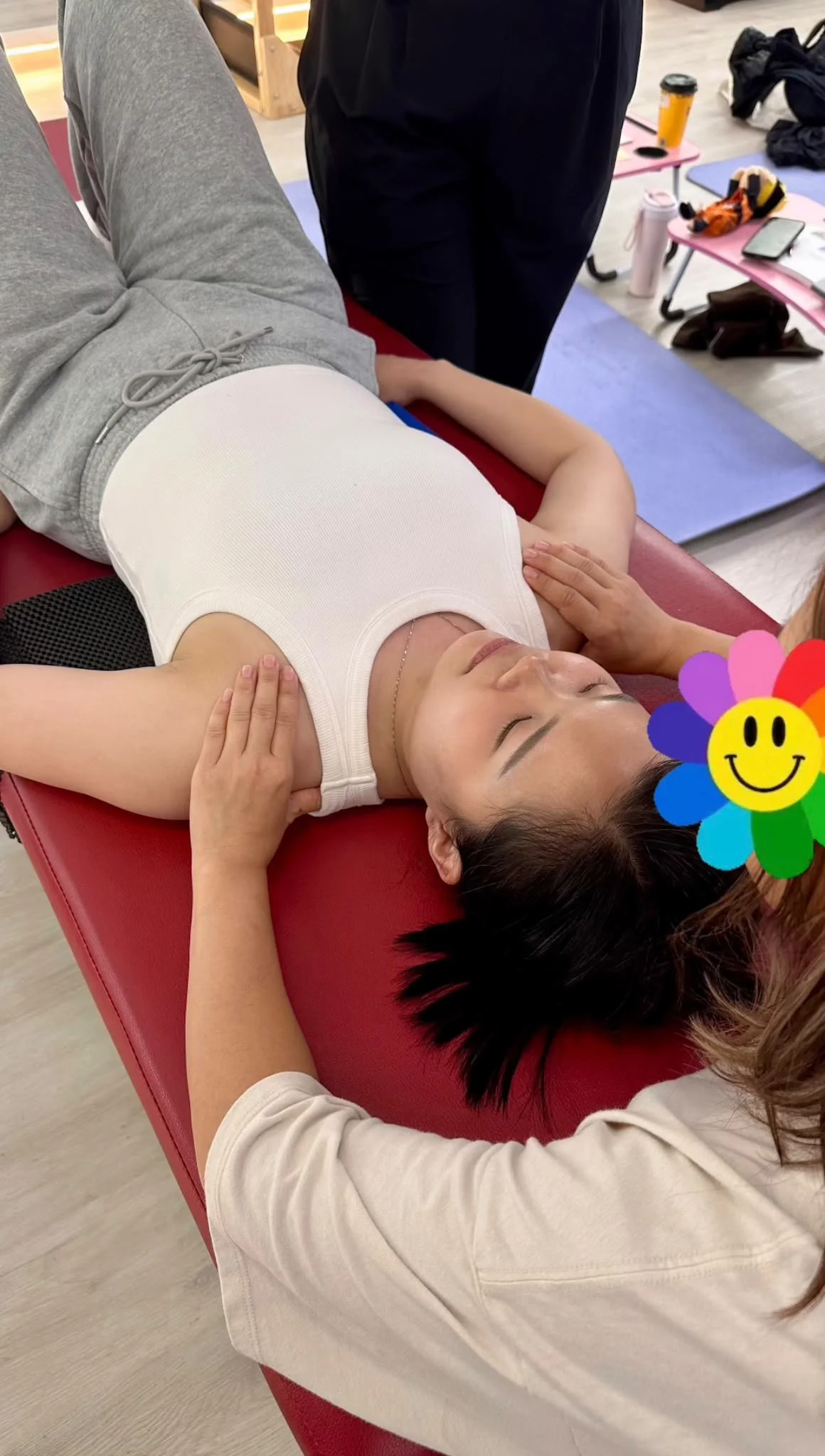
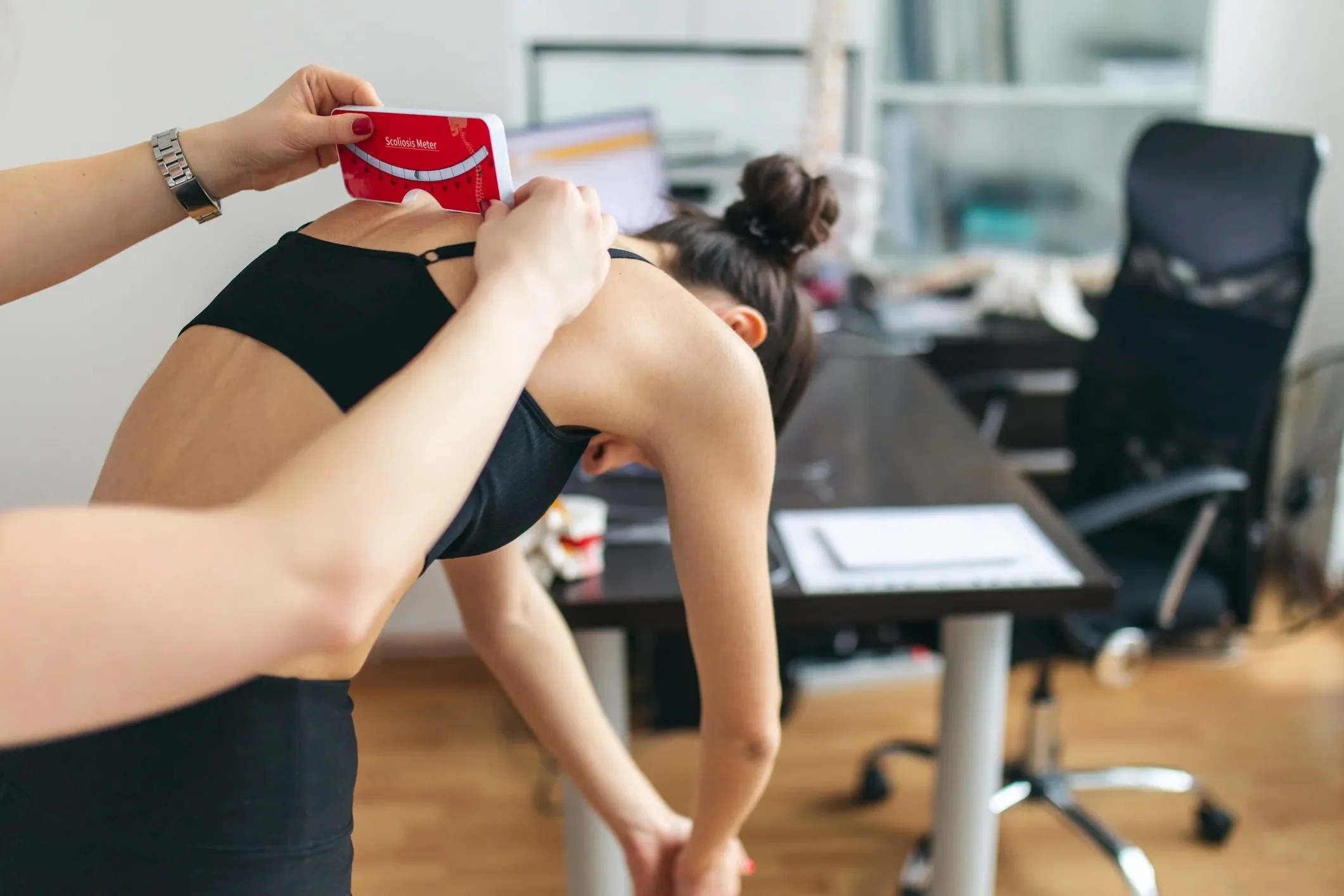
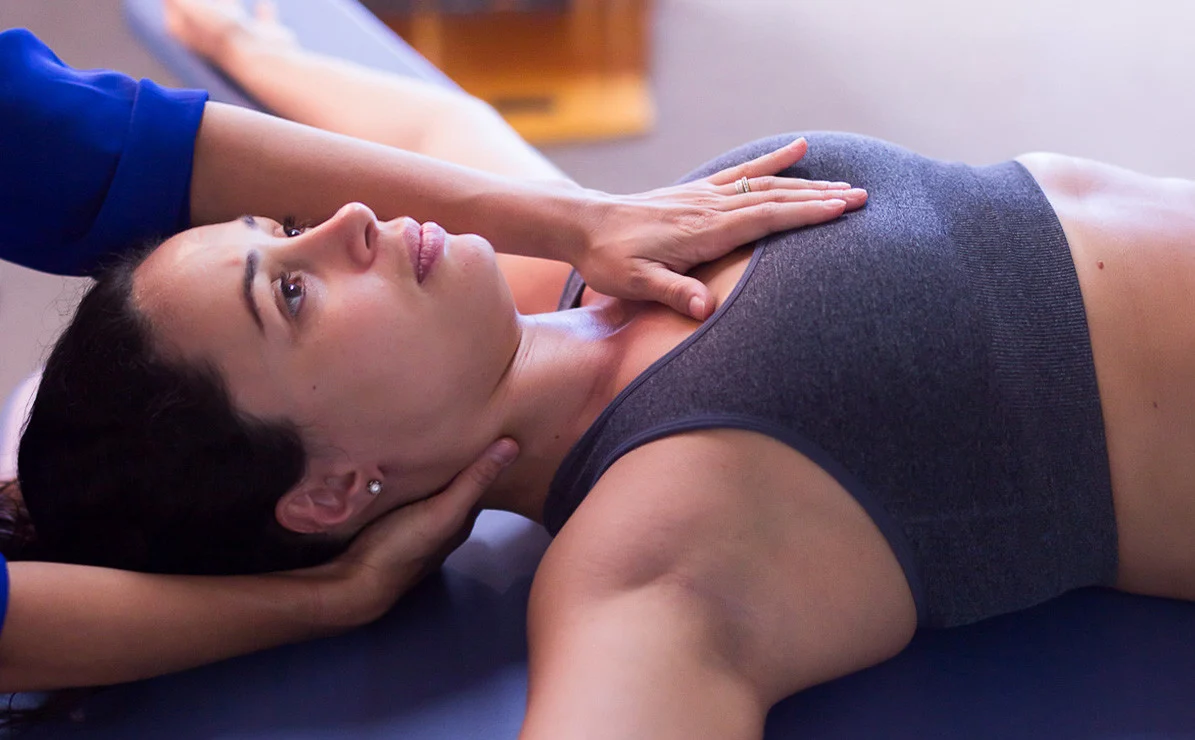
If you only have time for one scoliosis exercise, 3D breathing—also called Jellyfish breathing in this Scolio-Pilates® article—is a practical starting point to discuss with your instructor. It builds awareness of how your rib cage moves as you breathe. There is no single best exercise for everyone, and breathing alone has not been established as a way to straighten a scoliosis curve or prevent progression.
Key takeaways
- 3D breathing encourages awareness of movement around the front, sides and back of the rib cage.
- Curve-specific positioning and breathing cues should follow an individual assessment.
- “Lengthening” and “expansion” are movement cues, not promises of permanent spinal decompression or structural correction.
- Breathing can be a manageable daily habit, but it does not replace prescribed exercise, monitoring, bracing or specialist care.
“If I’m busy, overwhelmed, or only have time for a single exercise, which one gives me the most value for my spine?”
That is the question behind this first Scolio-Pilates article. Joanne’s practical starting point is 3D breathing: a small habit that can fit into a busy day, within a programme tailored to the person.
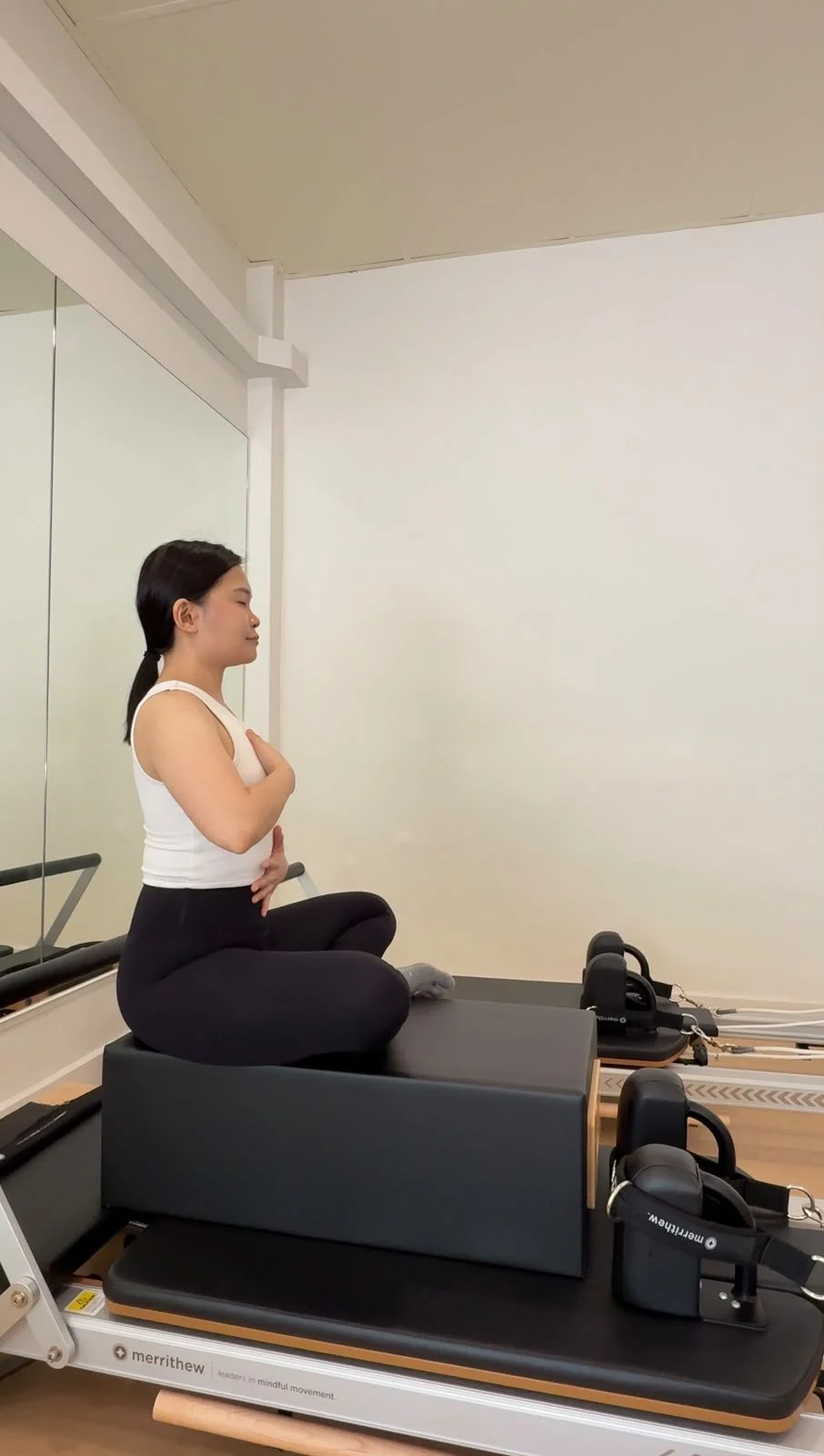
What is 3D or Jellyfish breathing?
Think of a jellyfish gently opening and softening. The image is a cue to notice the rib cage moving with inhalation and settling with exhalation, without forcing a large breath or holding tension.
Scoliosis involves sideways curvature and rotation, so the trunk and rib cage can move asymmetrically. In scoliosis-specific rehabilitation, breathing may be combined with individual positioning and active postural work. The SOSORT guidelines include regional breathing strategies within broader care; they do not establish Jellyfish breathing alone as the best scoliosis exercise.
For the basics, read What Is Scoliosis? Signs, Cobb Angle & When to Get Checked.
What can breathing realistically help with?
| Common cue or claim | A realistic interpretation |
|---|---|
| “Lengthen your spine” | A cue for comfortable active posture and body awareness. It does not demonstrate lasting increases in space between vertebrae. |
| “Breathe into the concave side” | A cue to encourage movement in a selected rib-cage region. Air enters the lungs, not the spinal curve. The appropriate region and position depend on assessment. |
| “Release tension and pain” | Comfort may vary during practice. Breathing alone is not an established treatment for scoliosis-related pain, and persistent pain deserves assessment. |
| “Activate the parasympathetic system” | Some structured breathing practices may support relaxation. This does not prove a specific autonomic effect or pain reduction from Jellyfish breathing in people with scoliosis. |
A randomised study of structured breathwork reported improvements in mood and respiratory rate. It tested other breathing protocols, not Scolio-Pilates or scoliosis treatment, so its findings cannot establish those benefits for this exercise.
What does the scoliosis exercise evidence say?
The 2024 Cochrane review of therapeutic exercise for adolescent idiopathic scoliosis found limited and uncertain evidence across outcomes. Studies of complete exercise programmes cannot tell us what one breathing technique achieves on its own. Findings in adolescents also should not automatically be applied to adults.
Exercise selection depends on curve pattern, age, growth remaining, symptoms and goals. Monitoring, bracing or specialist referral may still be needed. Breathing is one possible component of care, rather than a replacement for the rest of the plan.
A gentle breathing-awareness starting point
The following is general breathing awareness, not a prescription for correcting a particular curve. Ask your instructor or clinician which positions and directional cues suit you, especially after spinal surgery or if you have a heart or lung condition.
- Find a supported position. Sit comfortably with your feet supported, or use a lying position recommended for you. Avoid forcing your trunk straight.
- Notice your usual breath. Rest your hands lightly on the lower ribs if comfortable. Keep your shoulders and jaw relaxed.
- Inhale gently. Notice movement around the rib cage without straining, lifting the shoulders or pushing into pain.
- Exhale easily. Let the ribs settle. Avoid breath-holding or forceful emptying.
- Keep it brief and comfortable. Try a few easy breaths, then return to normal breathing. Your instructor can individualise practice time and progression.
Stop if you feel dizzy, unusually short of breath, or develop pain. Recurrent symptoms need assessment. Do not copy a one-sided correction from someone else’s curve pattern.
Watch the supplied video
Open the accompanying video on YouTube. Use it alongside individual instruction; a video cannot assess your curve or decide which correction is appropriate.
The small habit you can fit into daily life
Once you have learned comfortable cues, you may practise breathing awareness while sitting at your desk, seated on public transport, or resting before bed. You do not need Pilates equipment for basic awareness practice, although individual programmes may use supports or props.
The aim is a repeatable movement habit. Quiet practice during the day should not be described as ongoing structural correction or decompression.
When should you seek assessment?
If you notice persistent shoulder, rib or waist asymmetry, arrange a scoliosis assessment rather than choosing an exercise from appearance alone. Parents can read My Child’s Spine Looks Uneven. Could It Be Scoliosis?
Seek urgent medical assessment for severe sudden or rapidly worsening back pain, particularly if you feel unwell. Back pain with new bladder or bowel changes, numbness around the genitals or anus, or symptoms in both legs needs emergency assessment. Go to an emergency department rather than booking routine Pilates. These warning signs are described in the NHS back-pain guidance.
Frequently asked questions
Is 3D breathing the best exercise for every person with scoliosis?
No. It is a practical starting point in Joanne’s article, not an evidence-based ranking of all scoliosis exercises. Your assessment should guide your programme.
Can Jellyfish breathing straighten my spine?
Breathing alone has not been established as a way to permanently straighten a scoliosis curve. A temporary change in posture or comfort is not proof of a change in the measured curve.
Which side should I breathe into?
Do not choose from a mirror image or a generic online instruction. Curve patterns can be complex; get individual guidance on positioning and regional breathing cues.
Can it replace my brace or other exercises?
No. Continue your prescribed plan and follow-up. Discuss changes with the clinician overseeing your scoliosis care.
The takeaway
When time is limited, a few comfortable breaths can be an accessible way to practise body awareness. Make 3D breathing part of an individual plan, with realistic goals and appropriate reassessment.
Related reads
- What Is Scoliosis? Signs, Cobb Angle & When to Get Checked
- My Child’s Spine Looks Uneven. Could It Be Scoliosis?
- Who Gets Scoliosis? Age, Growth Spurts, and Adult Cases
References
- Negrini S, et al. 2016 SOSORT guidelines: orthopaedic and rehabilitation treatment of idiopathic scoliosis during growth. Scoliosis Spinal Disord. 2018;13:3.
- Romano M, et al. Therapeutic exercises for idiopathic scoliosis in adolescents. Cochrane Database Syst Rev. 2024;2:CD007837.
- Balban MY, et al. Brief structured respiration practices enhance mood and reduce physiological arousal. Cell Rep Med. 2023;4:100895.
- NHS. Back pain: symptoms and urgent warning signs.
General education only. This article does not diagnose scoliosis or replace individual medical assessment.
Discuss Scolio-Pilates with ASPINE
Book a consultation to discuss your scoliosis history, goals and whether individual Scolio-Pilates guidance with Joanne Goh is suitable for you. Urgent symptoms need medical care.